
Design a green and welcoming sanctuary
Discover how to integrate botanical elements into your home to create welcoming, soothing, and vibrant biophilic spaces.
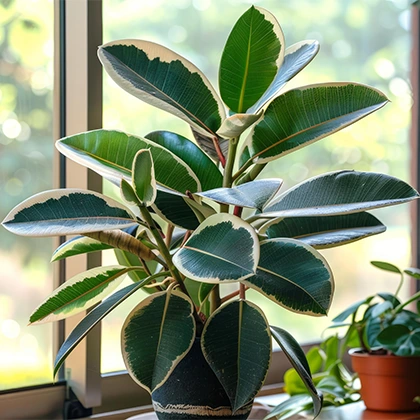
Ficus Lyrata
Ficus Lyrata is an elegant, low-maintenance houseplant that brings a touch of lush greenery and verticality to your space.
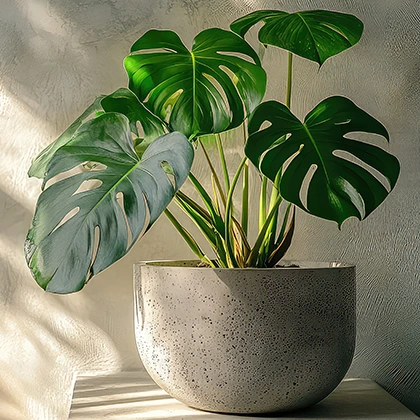
Monstera deliciosa
Monstera deliciosa captivates with fenestrated, unique leaves, perfect for a modern, green interior statement piece.
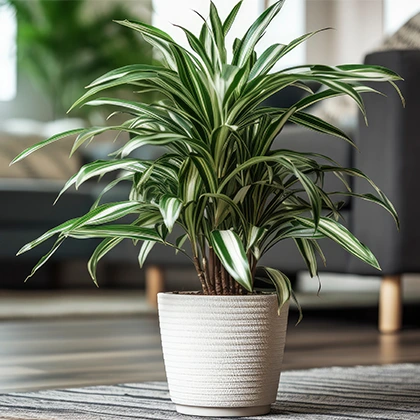
Dracaena
Dracaena is a robust specimen with slender foliage that filters toxins and adapts easily to indoor conditions.
Mastering indoor horticulture
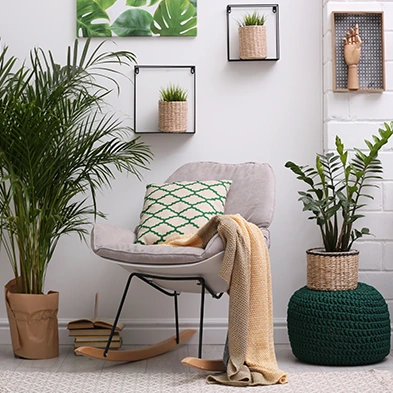
Successful indoor gardening requires understanding specific environmental needs and microclimates within the home.
Key factors for botanical vitality
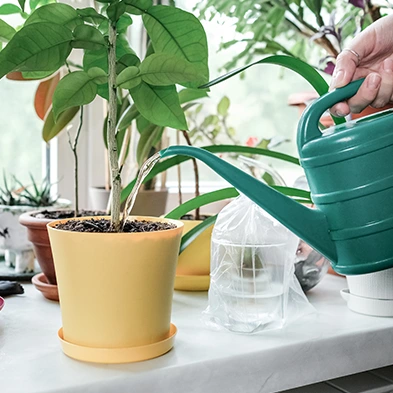
Success depends on balancing indirect light, watering schedules, nutrient-rich soil composition, and ambient humidity levels.
Dynamics of external landscapes and ecosystems
Exterior landscaping connects cultivation with local climate, substrate, and wildlife. This ranges from perennials and ornamental shrubs to organic edible crops. Understanding soil pH and macronutrients is fundamental to selecting native species for healthy development. Landscapers must consider regional hardiness zones to ensure resistance to minimum temperatures, particularly during winter dormancy.
Sustainable management includes mulching to retain moisture and suppress weeds, alongside companion planting strategies to deter pests naturally.
Botanical accents to enhance your interior

Decorative variegated foliage
Aesthetic value lies in leaves of various shapes and textures, like Calathea Makoyana or Alocasia Polly.

Blooming pot plants
They bring color and fragrance for living floral decor, like the Orchid, Spathiphyllum, or Anthurium.

Drought-tolerant succulents and cacti
Low-maintenance choices like Aloe vera or Echeveria offer architectural and modern forms.
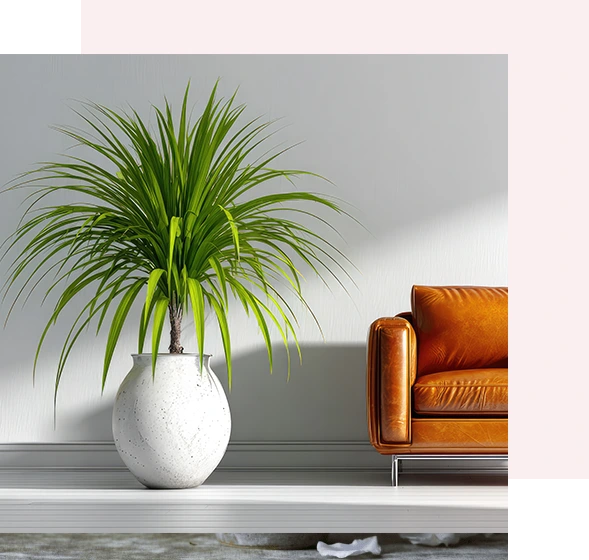

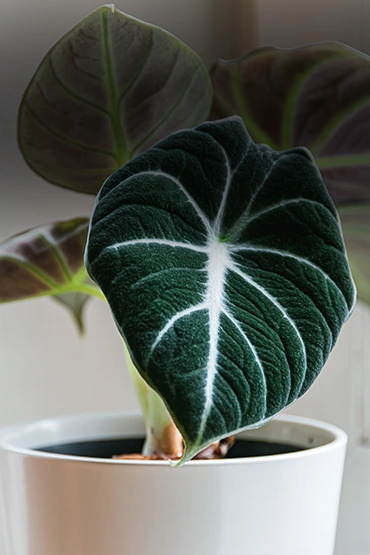
Alocasia captivates with large, elephant-ear-shaped leaves, bringing a tropical and sculptural style to your home.
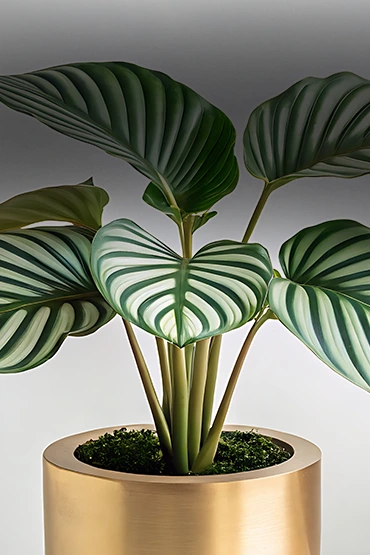
Calathea orbifolia stands out with large, striped, graphic leaves, ideal for a bright, humid interior.
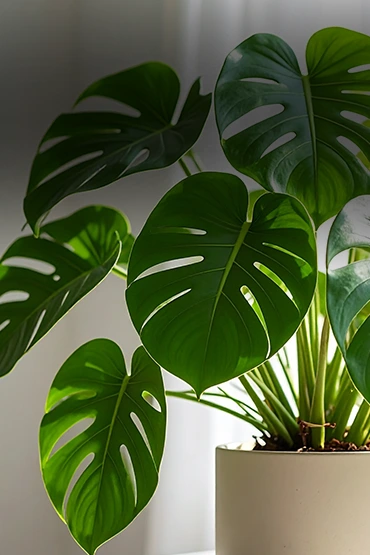
Monstera adansonii, with unique perforated leaves, adds an exotic, trailing and modern touch to any space.
The art of landscape architecture
Landscape design transforms space into a functional, aesthetic setting. It creates environments combining beauty, comfort, and utility. Good hardscaping considers climate, topography, light, and zoning to create a welcoming, sustainable outdoor extension.
01
Planning and spatial layout
Consider the layout of zones, circulation paths, and focal points. Proper planning optimizes space ensuring aesthetic flow between garden parts.
02
Selecting adapted vegetation
Selecting species suited to exposure ensures longevity. Alternating evergreens, seasonal blooms, and shrubs creates visual balance providing varied textures and year-round interest.
03
Regular groundskeeping
Thriving gardens require maintenance: watering, pruning, fertilizing, and weeding. These actions ensure plant vigor and preserve the structural integrity of the space.
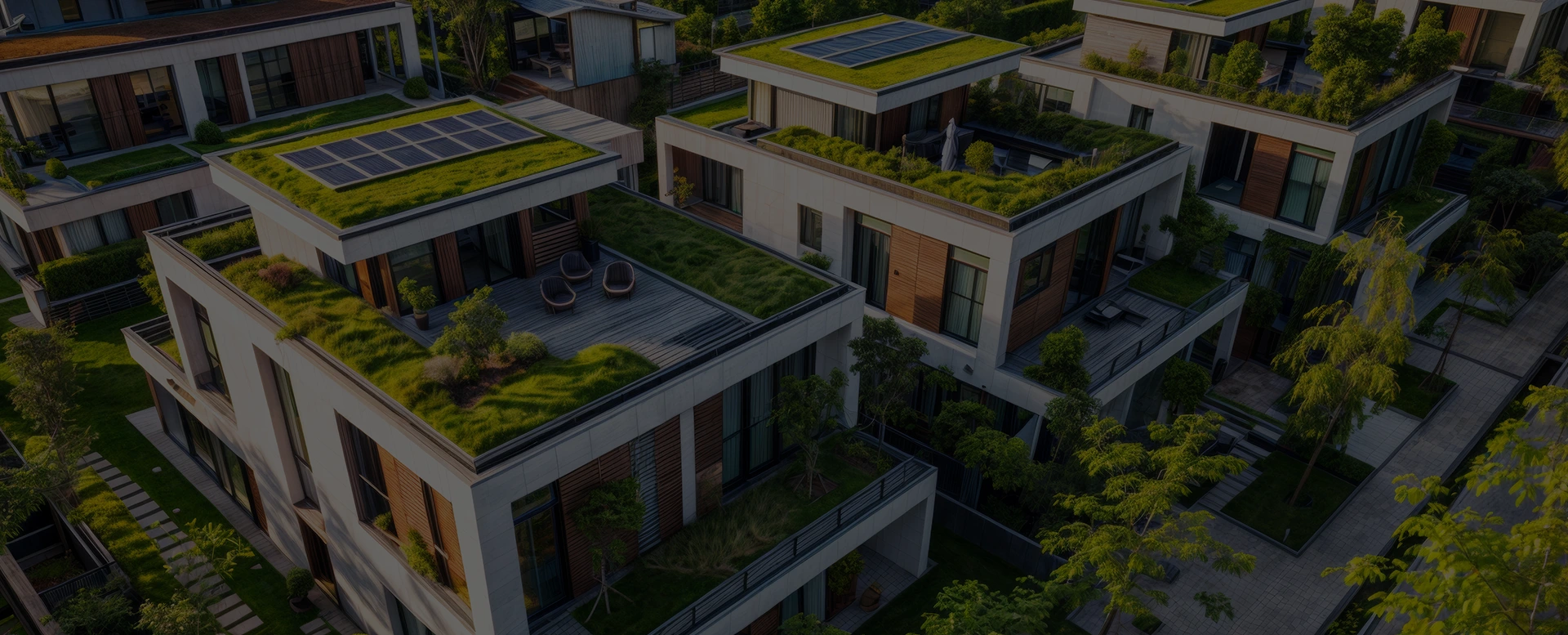
Greening the city
Biophilic design for urban spaces
Transforming urban spaces into biodiverse havens improves quality of life. These ecological corridors, whether public gardens or living walls, provide relaxation. They help purify air, reduce the urban heat island effect, and dampen noise. Integrating nature into planning creates functional environments where infrastructure and biology coexist.
Preserving local biodiversity and ecosystems
Protecting natural habitats maintains ecological balance and ensures a regenerative environment for future generations.
Restore fragmented natural habitats
Conserve forests and wetlands, and restore degraded ecosystems to provide sanctuaries for endangered wildlife.
Limit synthetic chemicals
Reduce pesticides and herbicides that disrupt food chains by promoting organic horticultural practices and biological controls.
Promote pollinators in urban environments
Plant melliferous species, create green spaces, and install insect hotels to support local fauna and ecological balance.
Caring for your plants
Maintaining curated green spaces
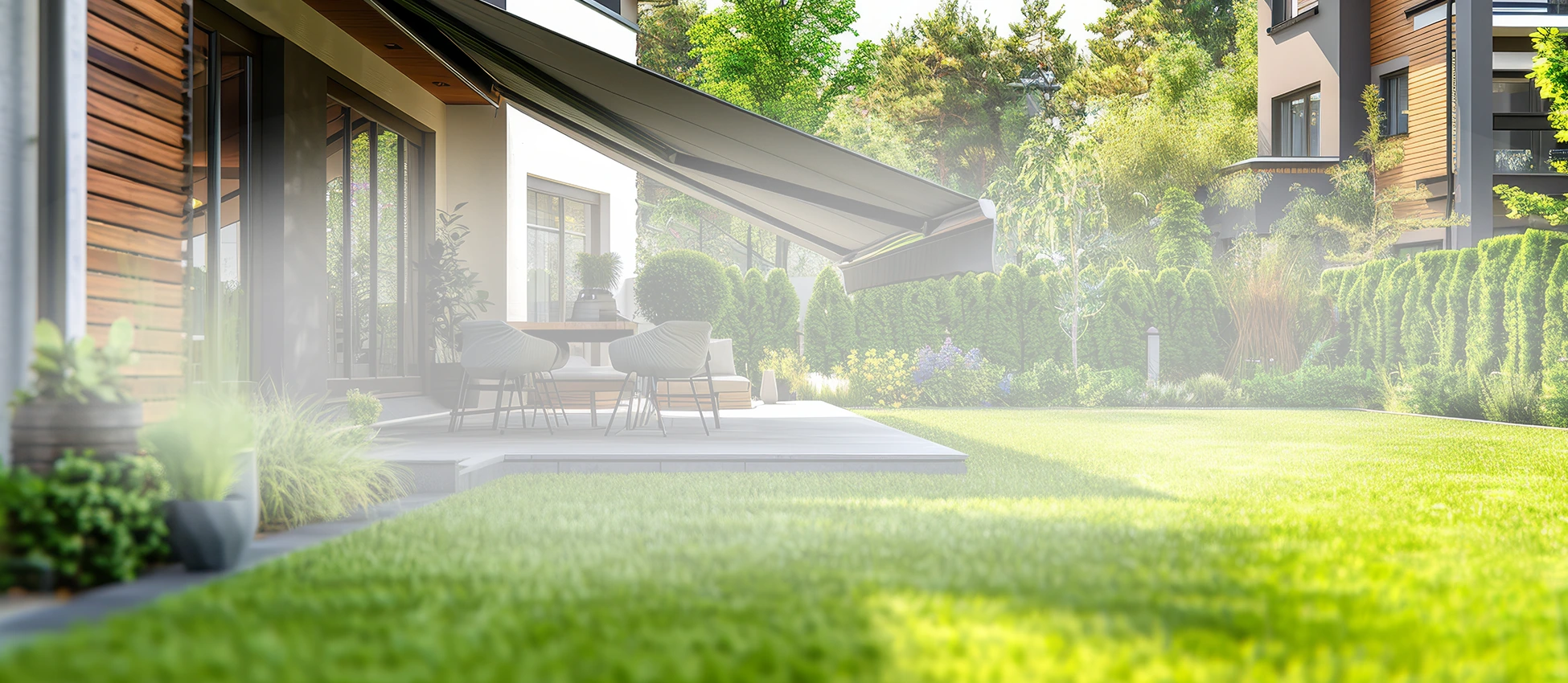
Combine regular care with thoughtful landscaping. Irrigation, pruning, and soil amendments ensure growth, while choosing climate-adapted plants provides diversity. Adding ornamental elements like paths or water features creates harmonious spaces. With attention, green spaces become conducive to relaxation and mental wellness.