Blog
Bringing plants into your home transforms more than just your décor—it creates a living ecosystem that responds to your care, challenges your understanding, and rewards your attention with vibrant growth. Yet the journey from purchasing your first pothos to cultivating a thriving indoor garden requires more than occasional watering. It demands an understanding of how plants communicate their needs, how indoor environments affect their biology, and how small adjustments can mean the difference between survival and flourishing.
This comprehensive resource connects the foundational principles every plant caregiver should master. Whether you’re struggling to keep plants alive during frequent travel, puzzled by yellowing leaves, or curious about the science behind soil pH, the insights ahead will help you build confidence and competence. We’ll explore environmental optimization, troubleshooting common growth problems, demystifying plant nutrition chemistry, and discovering the profound therapeutic benefits that emerge when you cultivate this rewarding relationship with the natural world.
Plant Care Fundamentals for Busy Lives
The modern plant enthusiast often faces a fundamental challenge: how to maintain a thriving collection when life demands frequent absences. The concept of “survivor plants” has gained traction, but understanding what this truly means requires moving beyond marketing myths.
Debunking the Myth of Unkillable Plants
No plant is genuinely unkillable—even the famously resilient ZZ Plant (Zamioculcas zamiifolia) or Snake Plant can succumb to persistent neglect or environmental extremes. What these species offer instead is remarkable drought tolerance and adaptability to low-light conditions. They’ve evolved storage mechanisms—thick rhizomes, water-retaining leaves—that allow them to endure weeks without attention. Think of them not as indestructible, but as having larger “forgiveness windows” that accommodate irregular care schedules.
Strategic Plant Selection and Passive Watering
For frequent travelers, success begins with choosing species whose natural growth cycles align with your absence patterns. Succulents, ZZ Plants, and Pothos thrive on benign neglect, but each requires different approaches. Passive watering systems—from simple water wicking setups using cotton rope to self-watering pots with reservoir chambers—can bridge the gap during week-long trips. The key lies in testing these systems while you’re home, observing how quickly your specific plants deplete the reservoir in your unique environmental conditions.
Preventing Return Shock
The enthusiastic plant parent returning from vacation often makes a critical error: overcompensating with excessive water and fertilizer. Plants that have entered a semi-dormant state during your absence need gradual reintroduction to regular care. Resume normal watering incrementally over 3-5 days, and wait at least two weeks before fertilizing. This measured approach prevents root shock and allows the plant to reactivate its metabolic processes naturally.
Creating the Optimal Indoor Environment
Your home is a complex landscape of microclimates, and understanding this topography is perhaps the most transformative skill you can develop. Temperature, humidity, and light don’t distribute uniformly—they create distinct zones that either support or sabotage plant health.
Mapping Your Home’s Microclimates
Begin by measuring conditions rather than assuming them. A simple thermometer-hygrometer placed in different locations throughout your home will reveal surprising variations. That sunny windowsill might experience temperature swings of 15-20°F between day and night, while the corner three feet away remains stable. Northern exposures provide consistent but lower light, while southern windows deliver intensity that can cause leaf burn in sensitive species. Document these patterns over a week, noting how HVAC vents, seasonal sun angles, and even proximity to exterior walls influence conditions.
Creating Humidity Pockets
Most tropical houseplants evolved in environments with 60-80% relative humidity, yet typical indoor air hovers around 30-40%, dropping even lower during heating season. Rather than humidifying your entire home, create localized humidity zones. Grouping plants together allows their collective transpiration to raise moisture levels in their immediate vicinity. Pebble trays—shallow dishes filled with water and stones, with pots resting on top without touching the water—provide evaporative humidity directly where it’s needed. For high-humidity lovers like ferns or calatheas, glass terrariums or cloche arrangements maintain moisture while adding visual interest.
Strategic Seasonal Movement
Plant placement shouldn’t be static. As seasons shift, so do your home’s light patterns and temperature zones. A south-facing window that provides perfect bright indirect light in winter may deliver scorching intensity in summer, necessitating moving plants back from the glass or introducing sheer curtains. Similarly, plants thriving near a window in summer may suffer cold drafts once winter arrives. Developing a seasonal rotation strategy optimizes conditions year-round while preventing the stress of prolonged unsuitable placement.
Understanding Plant Health and Growth Issues
When growth stalls or leaves discolor, the visible symptoms are rarely the actual problem—they’re the plant’s way of communicating that something in its environment or care routine needs adjustment. Effective troubleshooting requires detective work, examining multiple potential factors systematically.
Visual Diagnosis of Nutrient Deficiencies
Plants display remarkably specific symptoms when lacking essential nutrients. Nitrogen deficiency manifests as yellowing that begins in older, lower leaves and progresses upward—the plant cannibalized these mature leaves to support new growth. Phosphorus deficiency creates dark green or purplish foliage with stunted growth. Iron deficiency, by contrast, causes yellowing in new growth while veins remain green, a condition called interveinal chlorosis. Potassium-deficient plants show brown, crispy leaf margins. Learning to read these signals transforms your relationship with your plants, allowing targeted interventions rather than generic fertilizer application.
The Critical Role of Pot Size and Root Health
Stunted growth often originates below the soil line. A plant that has become root-bound—where roots circle the interior pot wall in dense tangles—cannot access adequate water or nutrients regardless of your care efforts. Conversely, a plant in an oversized pot sits in soil that stays wet too long, inviting root rot. The general guideline suggests choosing pots only 1-2 inches larger in diameter than the previous container, ensuring roots can expand without drowning in excess moisture. When you unpot a healthy plant, you should see white or cream-colored roots with some visibility of soil, not a solid mass of brown, circling roots.
Comparing Light Quality and Preventing Burn
Not all bright light is created equal. Direct sunlight—unfiltered rays hitting foliage—delivers intense energy that sun-adapted species need but burns shade-lovers within hours. Bright indirect light, where plants receive reflected or filtered illumination without direct beam contact, suits most common houseplants. Low light, often misconstrued as “no light,” still requires sufficient photons for photosynthesis—typically near a north-facing window or several feet from eastern/western exposures. When leaves develop brown, papery patches specifically on sun-facing sides, you’re witnessing light burn. The solution isn’t removing the plant from light entirely, but rather diffusing intensity through distance, sheer curtains, or strategic placement.
Soil Chemistry and Nutrition Essentials
The invisible chemistry occurring in your potting soil determines whether nutrients remain locked away or become available for root absorption. Understanding pH isn’t about memorizing numbers—it’s about recognizing how this single factor controls your plant’s ability to access the food you provide.
Interpreting the pH Scale
The pH scale measures acidity and alkalinity on a logarithmic scale from 0-14, with 7 as neutral. This logarithmic nature means each whole number represents a tenfold difference—soil at pH 5 is ten times more acidic than pH 6, and one hundred times more acidic than pH 7. Most houseplants thrive between 6.0-7.0, a slightly acidic to neutral range where essential nutrients remain soluble and accessible. Acid-loving species like azaleas, gardenias, and blueberries require 4.5-6.0, while a few plants tolerate alkaline conditions above 7.0.
Testing and Adjusting Soil pH
Simple soil pH test kits or digital meters provide readings within minutes. For accurate results, test soil that’s moist but not saturated, taking samples from multiple spots in the pot and averaging the results. When soil pH drifts outside your plant’s preferred range, nutrients become chemically bound in forms roots cannot absorb—explaining why fertilizing doesn’t resolve deficiency symptoms. To lower pH (increase acidity), incorporate elemental sulfur or use acidifying fertilizers formulated for acid-lovers. To raise pH (increase alkalinity), apply agricultural lime sparingly. The critical principle: make adjustments gradually over weeks, testing between applications, as swift pH changes shock roots and disrupt beneficial soil microorganisms.
Choosing and Timing Fertilizer Application
Fertilizers come in multiple formulations—liquid concentrates, slow-release granules, and water-soluble powders—each with distinct advantages. Liquid fertilizers offer immediate nutrient availability and precise control over concentration, making them ideal for correcting deficiencies or supporting active growth. Slow-release pellets provide steady, moderate feeding over months, reducing the risk of over-fertilization. The N-P-K numbers on fertilizer labels (nitrogen-phosphorus-potassium) indicate relative concentrations; balanced formulas like 10-10-10 suit general use, while blooming plants benefit from higher phosphorus ratios like 5-10-5.
Timing matters profoundly. Fertilizing during active growth periods—typically spring and summer for most houseplants—supports vigorous development. Feeding dormant or semi-dormant plants in winter forces unwanted growth that emerges weak and spindly in low-light conditions. The mantra “weakly, weekly” recommends diluting liquid fertilizer to quarter-strength and applying it with regular watering during growing season, preventing the salt buildup that occurs with concentrated monthly doses.
The Therapeutic Benefits of Plant Care
Beyond aesthetics and air quality improvements, cultivating plants offers profound mental health benefits supported by expanding research in environmental psychology and horticultural therapy. Engaging with plants creates a unique form of active meditation that grounds you in the present moment while fostering patience and nurturing skills.
Mindfulness Through Observation
The practice of checking plants daily—examining new growth, testing soil moisture, removing spent leaves—functions as a mindfulness ritual that interrupts rumination and anxiety. Unlike passive meditation, plant care provides tangible focus objects that engage multiple senses: the texture of foliage, the earthy scent of fresh soil, the visual reward of unfurling leaves. This multisensory engagement activates parasympathetic nervous system responses, lowering cortisol levels and heart rate. The act becomes a “nature dose” administered daily within your own walls.
Combating Seasonal Mood Fluctuations
For individuals experiencing seasonal affective patterns, maintaining an indoor garden provides psychological continuity with growing seasons and reasons for daily structure. The presence of living greenery, particularly during months when outdoor landscapes lie dormant, creates biophilic connections that satisfy innate human needs for contact with nature. Tending plants under grow lights during darker months establishes purposeful routines and yields visible results—measurable growth, new blooms—that provide accomplishment feedback often lacking in winter’s shorter days.
Building Community Through Shared Passion
Plant care naturally fosters connections. Sharing cuttings, exchanging care tips, troubleshooting problems together, or simply celebrating new growth creates community bonds organized around nurturing rather than consumption. Local plant swaps, online forums, and social media groups dedicated to specific genera allow you to learn from collective experience while contributing your own observations. This reciprocal knowledge-sharing elevates plant care from solitary hobby to collaborative practice, enriching both your understanding and your sense of belonging.
Mastering indoor plant care isn’t about achieving perfection—it’s about developing observational skills, understanding fundamental principles, and building responsive relationships with living organisms. Each plant presents unique requirements and lessons, rewarding your attention with growth that reflects the quality of care provided. As you apply these principles of environmental optimization, nutritional understanding, and mindful attention, you’ll find that success compounds: skills learned while troubleshooting one plant transfer readily to others, confidence builds through repeated successes, and the therapeutic benefits deepen as your collection grows alongside your expertise.

How to Design a Sensory Garden to Reduce Anxiety and Boost Mental Wellness?
A sensory garden’s true power isn’t in its passive beauty, but in its active use as a tool to intentionally…
Read more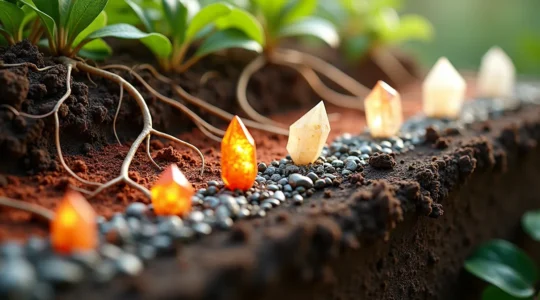
Why Ignoring Soil pH Causes Nutrient Lockout in 80% of Gardens?
Your fertilizer isn’t the problem; it’s the invisible chemistry of your soil that’s locking it away from your plants. Soil…
Read more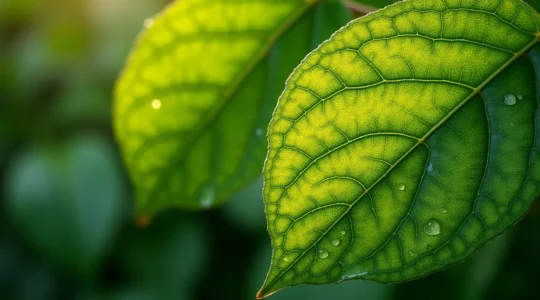
What Are the Key Factors for Botanical Vitality When Plants Stop Growing?
In summary: Stagnant growth is rarely due to one single cause, but a chain reaction of hidden imbalances. Look for…
Read more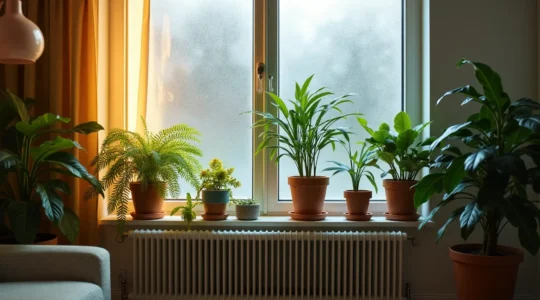
How to Identify Microclimates in Your Home to Save Sensitive Plants?
The unexplained death of a sensitive plant is rarely a failure of your green thumb, but a failure to perceive…
Read more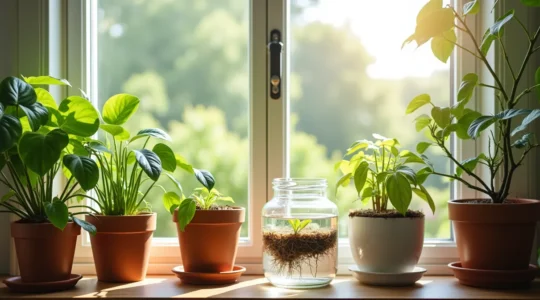
How to Master Indoor Horticulture Without Expensive Equipment?
Mastering plant care isn’t about the tools you buy; it’s about learning to read the biological signals your plants are…
Read more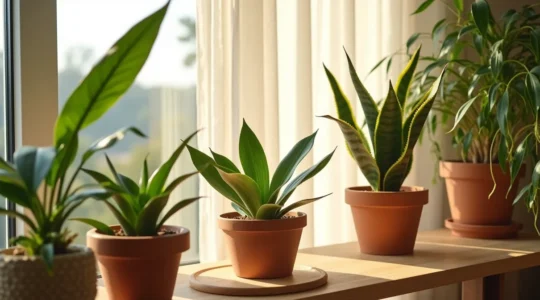
Beyond the Snake Plant: Which Houseplant *Actually* Survives 3 Weeks of Travel?
The secret to keeping a plant alive during long trips isn’t an “indestructible” plant, but a resilient pre-travel system that…
Read more