Environment & Sustainability
Every plant you introduce to your garden casts ripples far beyond your property line. From the soil microbiome beneath your feet to the migratory birds overhead, the species you choose and how you care for them shape the ecological health of your entire neighborhood. Sustainable gardening isn’t about perfection or sacrifice—it’s about understanding these connections and making informed choices that align your passion for plants with the planet’s wellbeing.
The relationship between plants and environmental sustainability operates on multiple scales simultaneously. A single native wildflower can support dozens of specialist insects, while a diverse canopy layer reduces urban temperatures by several degrees. Meanwhile, the simple act of composting your prunings prevents methane emissions and closes nutrient cycles that industrial agriculture has broken. This article explores the key strategies that transform ordinary gardens into powerful agents of ecological restoration, from air purification indoors to wildlife corridor creation across fragmented landscapes.
Why Plant Choices Shape Environmental Outcomes
The ornamental plants that dominate most garden centers represent a tiny fraction of global plant diversity, often selected solely for visual appeal rather than ecological function. This aesthetic-first approach has consequences: sterile double blooms offer no pollen, evergreen exotics provide no caterpillar food, and shallow-rooted annuals fail to sequester carbon or prevent erosion. Ecological function and beauty aren’t mutually exclusive—they simply require expanding your criteria beyond flower size and bloom duration.
Beyond Aesthetics: Ecological Function
Think of plants as infrastructure, not decoration. A mature oak supports over 500 species of butterflies and moths in its native range, compared to fewer than 50 for a common exotic ornamental. Native grasses develop root systems extending ten feet deep, capturing stormwater and building soil carbon, while typical lawn turf roots barely penetrate six inches. These functional differences determine whether your garden exports pollution downstream or filters it, whether it bakes in summer heat or moderates temperatures through transpiration.
The Ripple Effect of Individual Gardens
Collectively, residential landscapes cover more area than all nature reserves combined in many regions. When you switch from chemical lawn care to organic practices, you’re not just protecting your own soil—you’re eliminating a contamination source for nearby wetlands. When you plant a native shrub corridor along your fence line, you’ve created a wildlife highway that connects isolated habitat patches across multiple properties. Individual actions aggregate into landscape-scale transformation.
Native Plants and Ecological Restoration
Native plants evolved alongside local insects, birds, and soil organisms over millennia, creating intricate webs of dependence that exotic species can’t replicate. A native plant isn’t inherently “better” than an exotic—it’s specifically adapted to local rainfall patterns, temperature extremes, and pest complexes, requiring fewer inputs while providing maximum ecological services. Understanding this context helps debunk the “weed” stigma that has made many gardeners overlook their most resilient, beneficial plant options.
Understanding Native Resilience
Native plants demonstrate remarkable stress tolerance precisely because they’re tested by local conditions. During drought, deep-rooted native perennials access moisture unavailable to shallow exotic annuals. During pest outbreaks, natives maintain equilibrium with their specialized predators, while exotic plants suffer catastrophic damage or require chemical intervention. The key lies in matching species to microclimates—planting wetland natives in your soggy corner, prairie species in full sun, and woodland wildflowers beneath deciduous trees. Timing establishment for fall or early spring allows roots to develop before summer stress arrives.
Restoration Techniques at Multiple Scales
Ecological restoration isn’t limited to vast rural properties. Pocket forests—dense plantings of native trees and shrubs following natural layering patterns—can occupy spaces as small as a parking spot, yet provide cooling, stormwater absorption, and wildlife habitat. Soil restoration through methods like hugelkultur (layering woody debris beneath planting beds) sequesters carbon while improving water retention. Even severely degraded sites respond to phytoremediation, where specific plants extract heavy metals or break down contaminants. The succession sequence matters: stabilize erosion with fast-growing pioneers, then introduce slower-maturing climax species as soil improves.
Circular Gardening: Closing Resource Loops
Conventional gardening treats organic matter as waste requiring disposal and imports synthetic fertilizers to replace lost nutrients—a linear system that generates emissions at both ends. Circular approaches eliminate these inefficiencies by cycling resources on-site. Every fall leaf, grass clipping, and pruned stem contains nutrients extracted from your soil; composting returns them rather than exporting them to landfills where they generate methane.
Rainwater harvesting captures what would otherwise become polluted runoff, reducing both municipal water demand and downstream flooding. Simple rain barrel systems collect thousands of gallons annually from average roofs, while swales and rain gardens infiltrate water where it falls. Mulch choices matter: renewable options like fallen leaves or sustainably harvested wood chips biodegrade into soil, whereas plastic landscape fabric and rubber mulch introduce microplastic pollution that persists for decades.
Detoxifying your garden routine eliminates chemical dependence without sacrificing results. Flame weeding targets unwanted plants with heat instead of herbicides, vinegar solutions offer non-selective organic control, and manual tools build fitness while preventing salt damage and groundwater contamination. Accepting aesthetic imperfection—some insect nibbling, diverse plant species in lawns—signals ecological health rather than neglect. Investing in quality tools and maintaining them properly extends their lifespan indefinitely, avoiding the waste cycle of disposable equipment.
Companion Planting and Natural Defense Systems
Plants communicate through chemical signals released by roots and foliage, warning neighbors of pest attacks and attracting beneficial insects to their defense. Companion planting harnesses these relationships deliberately, positioning species to provide mutual protection rather than leaving associations to chance. The classic example—planting aromatic herbs near vulnerable vegetables—works because volatile oils mask the chemical signatures that pests use to locate host plants.
Trap cropping takes this further, using highly attractive sacrificial plants to concentrate pests away from your main crop, then removing the trap plant entirely. Blue hubbard squash lures squash bugs from your summer squash; nasturtiums draw aphids from lettuce. The opposite approach—avoiding competitive inhibition—requires understanding allelopathy, where some plants chemically suppress neighbors’ growth. Black walnut roots release juglone that stunts tomatoes and azaleas, while sunflowers inhibit potato growth.
Sequencing bloom times creates year-round habitat for predatory insects that consume pests between flowering periods. Early-blooming native willow provides pollen when beneficial flies and wasps emerge from hibernation, maintaining their populations through multiple pest generations. Strategic pairings work synergistically: tall plants shade heat-sensitive companions, deep-rooted species mine nutrients for shallow neighbors, and nitrogen-fixing legumes fertilize adjacent heavy feeders. Compare pairings in your specific climate, as successful combinations vary regionally.
Greening the Urban Landscape
Cities concentrate heat, pollution, and impervious surfaces while displacing the vegetation that could moderate these stresses. Urban greening reverses this pattern, inserting plants into every available niche—from street tree pits to vertical walls—to reconnect city dwellers with natural rhythms while delivering measurable environmental benefits. Even small interventions accumulate significant impact when multiplied across dense populations.
Cooling the Heat Island Effect
Urban areas register temperatures up to 15°F hotter than surrounding countryside because dark pavement and buildings absorb solar radiation while preventing evaporative cooling. Strategic tree planting addresses both factors: shade directly blocks radiation from heating surfaces, while transpiration—the plant equivalent of sweating—actively cools air. Positioning deciduous shade trees on south and west building exposures maximizes summer cooling while allowing winter solar gain. Green roofs and reflective light-colored paving reduce heat absorption at the source. The cooling effect intensifies with canopy connectivity; continuous tree corridors cool more effectively than isolated specimens.
Vertical and Rooftop Opportunities
Where horizontal space is limited, gardens grow upward. Balcony containers, living walls, and rooftop installations expand urban green space dramatically without consuming ground area. These elevated gardens provide unique benefits: rooftop vegetation insulates buildings, reducing energy consumption while managing stormwater that would otherwise overwhelm drainage systems during storms. Community gardens and workplace plantings offer social benefits alongside environmental ones—reducing noise pollution, improving air quality, and providing therapeutic contact with living systems for populations otherwise isolated from nature.
Creating Habitat for Wildlife and Pollinators
Habitat fragmentation ranks among the primary drivers of biodiversity decline. As natural areas shrink into isolated islands surrounded by hostile development, species unable to traverse the gaps between patches face genetic isolation and local extinction. Gardens can counter this trend by functioning as stepping stones and corridors, stitching fragmented habitats back into functional networks.
Building Wildlife Corridors
Wildlife corridors needn’t be elaborate or wide. Modifying solid fences with small passages allows hedgehogs and amphibians to move between properties. Planting native shrub borders along property lines creates canopy bridges for birds and arboreal mammals. Even roadside verges, when planted with native wildflowers instead of mowed turf, provide vital habitat linkages. Light barriers—excessive nighttime illumination—fragment habitat as effectively as physical obstacles; reducing unnecessary lighting preserves nocturnal pollinator activity and prevents bird collisions.
Designing for Pollinators
Supporting pollinators requires more than adding flowers. Sequencing bloom calendars ensures continuous nectar and pollen availability from earliest spring through late fall, sustaining bee populations through their entire active season. Many specialist bees require bare ground for nesting—not mulched or paved surfaces—so leaving small patches undisturbed matters. Water stations with landing stones prevent drowning while hydrating foraging insects.
Avoiding pesticide drift protects pollinators even in neighboring yards; many insecticides remain toxic for days after application, killing bees attracted to treated flowers. Color spectrum matters too: bees perceive ultraviolet patterns invisible to humans, making certain flower shapes more attractive. Leaving “wild corners” with undisturbed leaf litter, standing dead stems, and mature seed heads provides overwintering habitat for beneficial insects and the larvae that become next year’s pollinators. Participating in movements like “No Mow May” allows spring-flowering lawn weeds to bloom when other resources are scarce, supporting early-emerging bee species.
The path toward sustainable gardening isn’t a destination but an evolving practice, deepening as you observe your garden’s unique ecology and adjust your interventions accordingly. Each choice—selecting a native groundcover over invasive ivy, composting rather than bagging clippings, tolerating aphids while their predators arrive—contributes to systems that regenerate rather than deplete. Your garden can become a model demonstrating that environmental stewardship and horticultural beauty grow from the same soil.
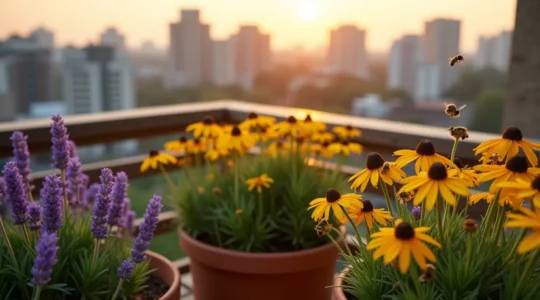
How to Promote Pollinators in Urban Environments With Limited Ground?
The common advice to simply “plant flowers” is failing our urban pollinators; a truly effective strategy requires ecological engineering, not…
Read more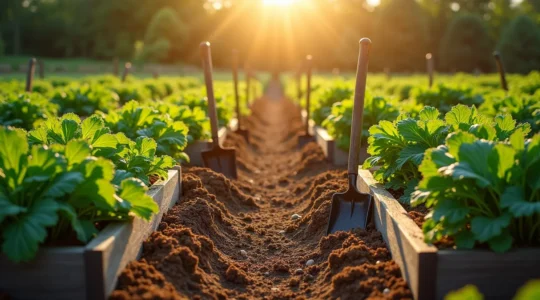
How to Limit Synthetic Chemicals Without Losing the War on Weeds?
The secret to a weed-free yard without chemicals isn’t a magic spray; it’s abandoning the reactive “kill cycle” for a…
Read more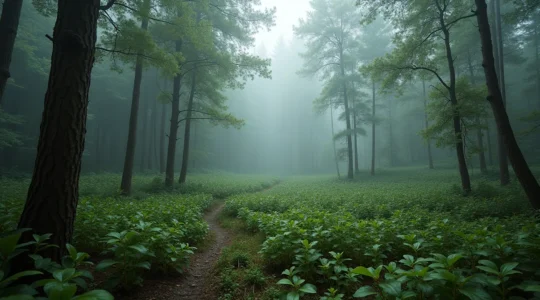
How to Rehabilitate Degraded Ecosystems Overrun by Invasive Vines?
Your property isn’t sick; it’s occupied territory. The conventional advice of simple cutting and planting is doomed to fail because…
Read more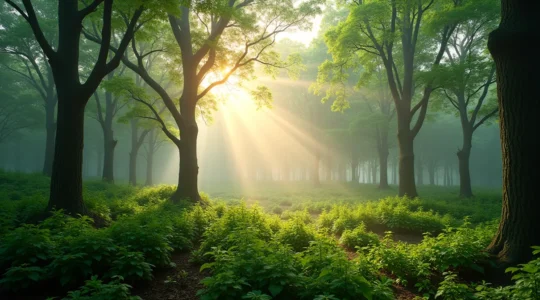
How to Weave Nature Back Together: A Strategic Guide to Restoring Fragmented Habitats with the Miyawaki Method
The Miyawaki method’s true potential isn’t just growing forests fast; it’s a powerful tool for large-scale ecological engineering. It leverages…
Read more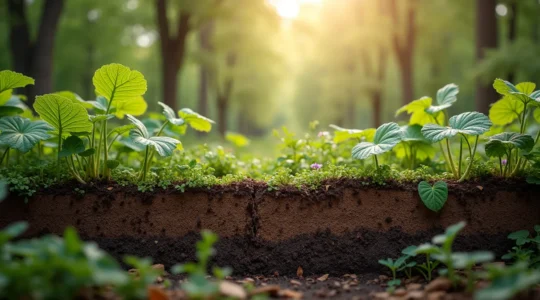
How to Create a Regenerative Environment with Permaculture: A Soil-First Guide
True regeneration isn’t about following a checklist of principles; it’s about healing your land by treating your soil as a…
Read more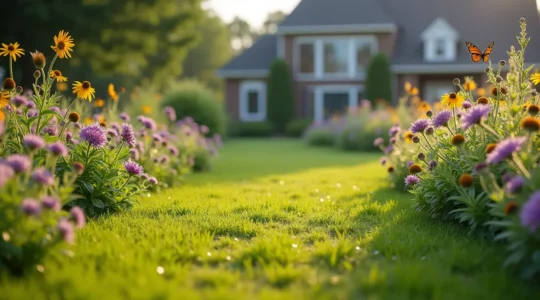
How to Preserve Local Biodiversity and Ecosystems in a Manicured Lawn
Many gardeners feel torn between maintaining a tidy, manicured lawn and the growing desire to support local wildlife. This guide…
Read more
How to Mitigate the Urban Heat Island Effect in Your Own Backyard?
To truly cool your urban yard, you must treat it as a thermal system, not just a space for decoration….
Read more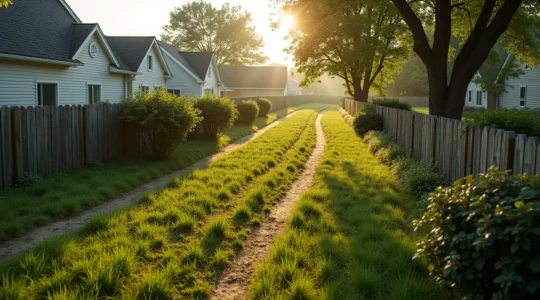
How to Create Ecological Corridors Across Fenced Suburban Yards?
To truly help wildlife, think beyond random fence holes and native plants; success lies in designing a collaborative, multi-layered network…
Read more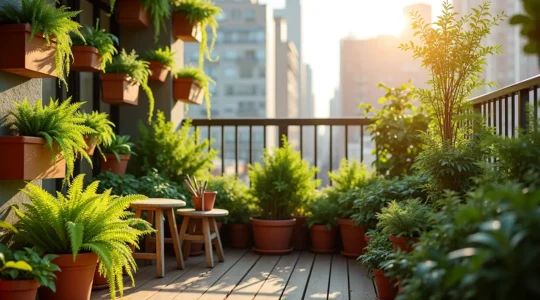
How to Implement Biophilic Design for Urban Spaces Without a Garden?
Contrary to popular belief, biophilic design isn’t just about adding a few decorative plants; it’s about systematically engineering a personal…
Read more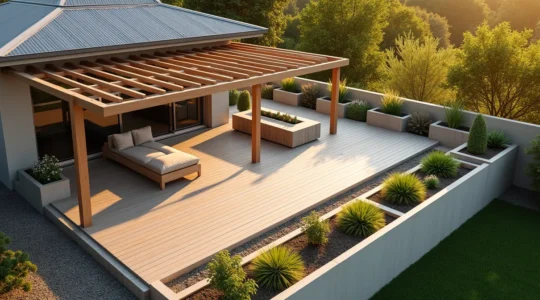
How to Build a Sustainable Outdoor Extension That Reduces Your Carbon Footprint?
In summary: A truly sustainable extension is an integrated system, not just a collection of ‘green’ products. Prioritize lifecycle performance—longevity,…
Read more