Floral decoration
Floral decoration transforms any space from ordinary to extraordinary, yet many people feel intimidated by what appears to be a specialized skill reserved for professionals. The truth is that creating beautiful arrangements, maintaining vibrant displays, and styling flowers for any occasion relies on understanding a few fundamental principles rather than innate artistic talent. Whether you’re arranging a simple bouquet for your dining table or planning elaborate centerpieces for a celebration, the same core techniques apply.
This comprehensive resource explores the essential aspects of working with flowers and plants decoratively. From selecting the right containers and preparing stems properly, to understanding color relationships and extending the life of your displays, you’ll discover practical methods that deliver consistent results. We’ll also examine sustainable alternatives to traditional materials, proper plant care for decorative purposes, and creative solutions for challenging environments.
Building Fresh Flower Arrangements from Foundation to Finish
Creating a professional-looking arrangement begins long before you place the first stem. The process involves strategic decisions about materials, proper preparation, and a logical construction sequence that ensures both beauty and longevity.
Choosing Your Container Wisely
The vessel you select directly impacts both the stability and aesthetic success of your arrangement. A container that’s too narrow will restrict your design options, while one that’s too wide may struggle to support stems at the desired angles. Heavy ceramic or glass vessels provide the best stability for larger arrangements, while lightweight options work well for smaller, delicate designs. The container’s height matters too—as a general principle, it should be approximately one-third to one-half the total height of your finished arrangement to maintain proper visual proportions.
Consider the opening diameter carefully. Wide mouths require more stems to achieve fullness and may need a grid system (created with tape or a frog) to control stem placement. Narrower openings naturally provide more support but limit your ability to create expansive designs.
Preparing Stems for Maximum Vase Life
Proper stem preparation can double or even triple the lifespan of your arrangement. The first critical step happens immediately after cutting or receiving flowers: recut each stem at a 45-degree angle while holding it underwater if possible. This angled cut increases the surface area for water absorption and prevents the stem from sitting flat against the container bottom, which would block water intake.
Remove all foliage that would sit below the waterline—submerged leaves decay rapidly, creating bacteria that shorten flower life. For woody stems like roses, lilacs, or branches, make vertical slits up the stem base or gently crush the bottom inch to enhance water absorption. Different flowers have different needs: hollow stems benefit from being filled with water and plugged with cotton, while stems that ooze milky sap should be seared briefly with a flame.
Understanding Foam Versus Sustainable Mechanics
Floral foam has long been the industry standard for creating structured arrangements, particularly for events and designs that require flowers at specific angles. This synthetic material holds stems securely and provides continuous water access. However, floral foam is non-biodegradable and contributes microplastics to the environment, prompting many designers to seek alternatives.
Sustainable mechanics include chicken wire crumpled into the vessel, pin frogs (heavy metal bases with upright pins), tape grids across the container opening, or branching material creating a natural framework. These methods require slightly different techniques—stems need to be wedged or woven into position rather than simply inserted—but they offer comparable stability while remaining completely reusable or compostable.
Creating Color Harmony in Mixed Arrangements
Color relationships make or break an arrangement’s visual impact. The most reliable approach for beginners involves working within a single color family, varying only the shades and tones. For example, combining cream, blush, coral, and deep pink creates sophisticated harmony with built-in interest.
When mixing distinct colors, understanding basic color theory prevents clashing. Complementary colors (opposites on the color wheel like purple and yellow) create vibrant contrast, while analogous colors (neighbors like blue, purple, and pink) produce serene harmony. Avoid combining warm and cool versions of the same color—warm pink with cool pink often appears discordant. Neutral flowers like white, cream, or green foliage serve as buffers between potentially clashing hues.
Sequencing Your Construction Process
Professional designers follow a systematic construction sequence rather than randomly placing stems. This methodical approach ensures balanced proportions and proper flower distribution. Start by establishing your arrangement’s overall shape and dimensions using greenery or filler material—this creates the framework. Next, position your largest or most prominent flowers (called focal flowers) in a triangle or circular pattern to establish visual weight distribution.
Add secondary flowers to fill spaces between focal blooms, maintaining consistent depth by varying stem lengths so flowers sit at different levels rather than forming a flat surface. Finally, tuck in delicate filler flowers or textural elements to conceal mechanics and create visual flow. This sequence prevents the common mistake of placing your best flowers first, then struggling to fit remaining materials around them.
Extending the Life of Cut Flower Displays
A beautiful arrangement deserves proper aftercare to maximize its display period. Cut flowers are living organisms that continue metabolic processes after cutting, and understanding their needs allows you to significantly extend their vitality.
Daily water checks are essential—arrangements can consume surprising amounts, especially during the first few days. Replenish with room-temperature water rather than cold, which shocks the stems. Every two to three days, remove the arrangement from its setting and recut stems by half an inch underwater, removing any decaying foliage and refreshing the water completely. Adding commercial flower food (which contains sugar for energy, acid to lower pH, and bleach to control bacteria) can extend life by up to 60% compared to plain water.
Placement dramatically affects longevity. Keep arrangements away from direct sunlight, heating vents, ripening fruit (which releases ethylene gas that ages flowers), and drafty areas. Cooler room temperatures are ideal—many flowers last twice as long at 65°F compared to 75°F. For gift bouquets, unwrap them immediately upon receipt, as flowers continue to age even while wrapped and need immediate access to water and air circulation.
Maintaining Potted Plants as Decorative Elements
Potted flowering plants offer the advantage of longer display periods compared to cut arrangements, but they require different care approaches to maintain their decorative appeal and encourage continued blooming.
Encouraging Repeat Blooming Cycles
Many common gift plants can rebloom with proper care. Orchids, amaryllis, and kalanchoe are particularly responsive to strategic rest periods and environmental cues. After the initial blooming period ends, resist the urge to discard the plant—instead, continue regular watering and feeding while removing spent flower stalks. Most flowering plants need a dormancy trigger to initiate new blooms, which might involve reduced watering, cooler temperatures, or specific day-length conditions depending on the species.
Research your specific plant’s requirements, as they vary considerably. Orchids often need a two-week period with nighttime temperatures around 55°F to set new flower spikes, while holiday cacti require long, uninterrupted dark periods combined with reduced watering.
Deadheading for Continuous Color
For plants that produce successive blooms over weeks or months, regular deadheading becomes essential maintenance. This practice involves removing spent flowers before they form seeds, which redirects the plant’s energy from seed production back into creating new blooms. Pinch or cut faded flowers just above the next set of leaves or buds, using clean, sharp scissors to prevent disease transmission.
Petunias, geraniums, and many annual flowering plants respond dramatically to consistent deadheading, often doubling their total bloom production. Some modern cultivars are self-cleaning and drop spent blooms naturally, but most traditional varieties benefit from this regular attention.
Preventing Temperature and Light Stress
Potted plants used decoratively often face environmental challenges, particularly when displayed in locations chosen for aesthetics rather than plant health. Temperature fluctuations stress plants significantly—avoid placing containers near air conditioning vents, radiators, or drafty windows where temperatures swing dramatically. Most flowering houseplants prefer stable temperatures between 60-75°F.
Light requirements vary by species, but insufficient light remains the most common problem for decoratively displayed plants. Symptoms include elongated stems, sparse foliage, and failure to bloom. If your desired display location offers inadequate light, rotate plants weekly between the display spot and a brighter growing area, or select shade-tolerant species like peace lilies, ferns, or pothos for permanent placement in low-light venues.
Timing Fertilization for Peak Performance
Actively blooming plants consume nutrients rapidly and benefit from regular feeding, but timing and formulation matter. Use a balanced, water-soluble fertilizer at half the recommended strength every two weeks during active growth and blooming periods. Avoid fertilizing newly purchased plants for at least a month—commercial growers typically apply slow-release fertilizer that continues feeding for weeks.
Never fertilize stressed, dry, or dormant plants, as this can damage roots. During winter months or rest periods, reduce or eliminate feeding entirely, resuming as new growth appears in spring.
Designing Sustainable Event Centerpieces
Event decorating with flowers presents unique challenges around scale, budget, timing, and increasingly, environmental impact. Modern approaches prioritize reusability and minimal waste while maintaining visual impact.
Consider using potted plants or bulbs instead of cut flowers for centerpieces—guests can take them home afterward, extending the decorative life and reducing waste. Herbs like rosemary or basil serve double duty as both decoration and take-home favors. When cut flowers are preferred, source locally and seasonally to minimize transportation impact and maximize freshness. Create mechanics using reusable materials like glass frogs or chicken wire rather than foam.
Prevent water damage to tables by using proper waterproof liners inside decorative containers, or choose vessels with sealed bases rather than terracotta or unglazed ceramics that can seep. Place cork, felt, or rubber protectors under all arrangements to prevent scratching and moisture rings. For buffet or gift tables where space is limited, consider hanging installations or wall-mounted designs that deliver impact without consuming table surface area.
Plan post-event distribution before the event begins. Designate specific arrangements for donations to hospitals, nursing homes, or guests, and have appropriate containers ready for transport. This advance planning ensures flowers continue bringing joy rather than ending up in waste bins, maximizing both their decorative value and environmental efficiency.
Creative Display Solutions for Challenging Spaces
Not every location offers ideal conditions for floral decoration, but creative approaches can overcome limitations and even transform constraints into distinctive design features.
When working with potted plants, the container itself often detracts from the design aesthetic. Artistic concealment techniques include nesting the utilitarian growing pot inside a decorative cachepot, wrapping containers with natural materials like burlap or jute, or surrounding grouped pots with moss, stones, or driftwood to create a unified display that hides individual containers. For events, consider placing multiple small pots inside a larger vessel like a wooden crate or metal trough, filling gaps with moss or floral filler.
Low-light venues require careful plant selection rather than simply hoping standard choices will survive. Snake plants, ZZ plants, pothos, and philodendrons tolerate dim conditions while maintaining attractive foliage. For flowering options in shade, peace lilies and certain orchid varieties perform reliably. Supplement with strategically placed LED grow lights disguised within the display if extended placement is planned.
The choice between soil and hydroponic growing methods affects both aesthetics and maintenance. Hydroponics eliminate soil mess and reduce weight (important for elevated displays), while providing precise control over nutrients and water. However, they require more technical knowledge and regular monitoring. Soil-based displays offer simplicity and forgiveness but can be heavy and occasionally messy. For short-term decorative use, either works well—choose based on your specific venue requirements and maintenance capabilities.
Working with flowers and plants decoratively becomes increasingly rewarding as you develop your skills and understanding. Each arrangement teaches you something new about color, form, balance, and the specific needs of different botanical materials. Start with simple projects using readily available materials, and gradually experiment with more complex techniques as your confidence grows.
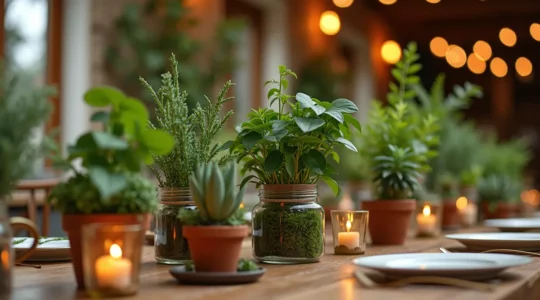
Living Wedding Decor on a Budget: A Stylist’s Guide to Sustainable, Take-Home Centerpieces
In summary: Swap expensive, disposable cut flowers for sustainable living plant centerpieces that double as meaningful guest favors. Master the…
Read more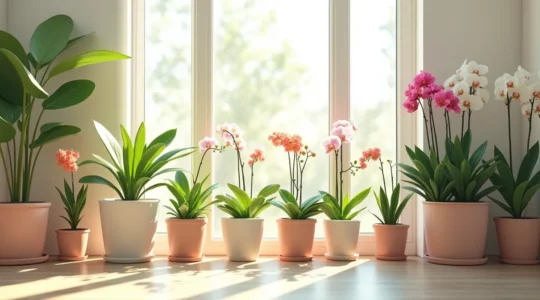
How to Choose Blooming Pot Plants That Last Longer Than Cut Flowers?
The key to long-lasting blooms isn’t just nurture; it’s managing the plant’s “energy economy” through strategic stress and recovery. Manipulate…
Read more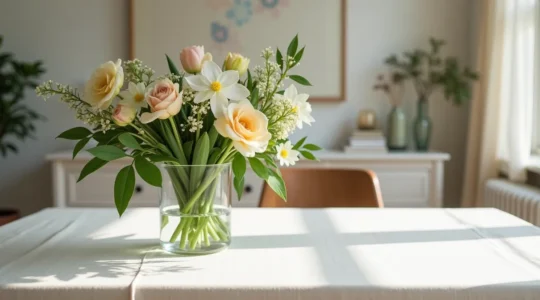
How to Design Stunning Floral Arrangements for Home Events—For Under $50
You believe stunning floral decor for your events is out of reach without a florist’s budget, but the opposite is…
Read more