Indoor plants
Bringing greenery into your living space transforms more than just aesthetics. Indoor plants purify air, reduce stress, and create a tangible connection to nature within our increasingly urban environments. Yet the gap between purchasing a thriving plant and keeping it healthy often feels wider than expected. Understanding the fundamental principles behind plant care—rather than memorizing species-specific rules—empowers you to troubleshoot problems confidently and make informed decisions about placement, watering, and intervention.
This comprehensive resource addresses the core knowledge every plant parent needs, from decoding environmental signals to preventing common pitfalls. Whether you’re managing a single desk succulent or cultivating a jungle of tropical specimens, the principles remain consistent. We’ll explore how light, water, and humidity interact with different plant types, examine practical maintenance routines that fit busy schedules, and demystify the specific needs of popular species like the architectural Monstera, temperamental Fiddle Leaf Fig, and resilient Snake Plant.
Understanding Fundamental Environmental Needs
Every indoor plant success story begins with matching species to environment. Think of it like finding the right habitat—a cactus won’t thrive in a bathroom’s humidity any more than a fern flourishes beside a sunny window. The three foundational elements work as an interconnected system, each influencing the others.
Light: The Primary Energy Source
Light intensity determines a plant’s ability to photosynthesize and grow. Bright indirect light—where you can read comfortably without artificial lighting but direct sun doesn’t hit the foliage—suits most tropical houseplants. Northern exposures provide consistent low light ideal for Snake Plants and Pothos, while unobstructed southern windows deliver the intense rays that succulents and cacti crave. Eastern windows offer gentle morning sun, perfect for species sensitive to heat stress.
Drafts near windows or heating vents create microclimates that stress plants through temperature fluctuations. Position sensitive species like Fiddle Leaf Figs at least three feet from drafty areas, or use sheer curtains as buffers. Rotating plants quarterly ensures even growth and prevents the lopsided lean toward light sources.
Watering: Balancing Moisture and Oxygen
Overwatering kills more houseplants than any other factor, yet the solution isn’t simply watering less—it’s watering appropriately for each environment. A plant in bright light with good airflow may need water twice weekly, while the identical species in a dim corner might only need it fortnightly. The growing medium should partially dry between waterings for most species, allowing roots to access oxygen in air pockets within the soil.
Test moisture by inserting your finger two inches deep—if it feels damp, wait. For larger pots, a bamboo skewer left in the soil acts like a dipstick; check it as you would test a cake’s doneness. Water quality matters too: municipal tap water often contains chlorine and fluoride that accumulate in soil over time, causing brown leaf tips in sensitive species like Calathea. Letting water sit overnight allows chlorine to dissipate.
Humidity and Temperature: Creating Microclimates
Most popular houseplants originate from tropical regions where humidity hovers between 60-80%, far higher than the typical 30-40% found in climate-controlled homes. Low humidity manifests as crispy leaf edges, while excessive moisture combined with poor airflow invites fungal issues. Rather than humidifying entire rooms, create localized humidity zones using pebble trays—shallow dishes filled with water and stones that elevate pots above the waterline. As water evaporates, it increases ambient moisture around foliage.
Grouping plants together also raises local humidity through transpiration, the process where plants release moisture through their leaves. Avoid placing humidity-lovers near heating vents or air conditioners, which rapidly dry air. Thermal shock—sudden temperature drops—damages tropical species, so keep plants away from drafty doors during winter months.
Establishing Practical Maintenance Routines
Consistent, minimal care prevents most problems before they manifest. Rather than intensive weekend sessions, integrate simple tasks into daily rhythms. A quick visual inspection while watering catches early pest signs or yellowing leaves before issues escalate.
Dust accumulation on leaves blocks light absorption and clogs stomata (leaf pores), reducing photosynthetic efficiency. Wipe large-leafed species like Monsteras and Fiddle Leaf Figs monthly with a damp cloth, supporting each leaf from beneath to prevent tearing. Smaller-leafed plants benefit from occasional lukewarm showers, which simultaneously rinse dust and rehydrate foliage. Always use plain water—cleaning products damage protective leaf coatings and cause chemical burns.
Fertilization timing affects plant health dramatically. Feed actively growing plants during spring and summer when they utilize nutrients efficiently. A diluted, balanced fertilizer applied monthly prevents the salt buildup that full-strength applications cause. During fall and winter dormancy periods, most species need no fertilization; continuing to feed forces weak, etiolated growth that struggles when vigorous growth resumes.
Preventing and Diagnosing Common Problems
Recognizing early warning signs transforms plant care from reactive crisis management to proactive maintenance. Most issues stem from environmental mismatches rather than diseases.
Pest Prevention in Home Environments
Spider mites, mealybugs, and fungus gnats exploit stressed plants. Prevention centers on maintaining plant vigor through proper care and quarantining new arrivals for two weeks. Inspect leaf undersides and stem joints weekly—these protected areas harbor early infestations. Consistent moisture levels deter spider mites, which thrive in dry conditions, while allowing soil to dry between waterings prevents fungus gnats from reproducing in perpetually damp media.
When pests appear, isolation prevents spread. A strong water spray dislodges many soft-bodied insects, while horticultural soap applications suffocate remaining populations. Systemic treatments work for severe infestations but require careful application according to product instructions.
Root Health: The Foundation Below
Healthy roots appear white or tan with firm texture. Mushy, dark, or foul-smelling roots indicate rot from overwatering or poor drainage. When diagnosing mysterious decline, unpot the plant and examine roots directly. Remove affected roots with sterilized scissors, repot in fresh, well-draining medium, and reduce watering frequency. Root-bound plants—those whose roots circle the pot’s interior—need sizing up to containers approximately two inches larger in diameter.
Substrate drainage determines root health profoundly. Standard potting mix suits most species, but epiphytic plants like Monsteras benefit from added orchid bark and perlite, which create air pockets mimicking their natural tree-dwelling habitat. Succulents require even grittier mixes with 50% inorganic material like coarse sand or pumice.
Environmental Stress Signals
Plants communicate distress through foliage changes. Yellowing lower leaves on otherwise healthy plants signal natural senescence, while widespread yellowing suggests overwatering or nutrient deficiency. Brown, crispy edges indicate low humidity or inconsistent watering. Pale new growth points to insufficient light—plants stretch toward light sources, producing weak stems and widely spaced leaves in the process called etiolation.
Sun stress manifests as bleached or reddish foliage on species receiving excessive direct light. Aloe vera, despite being a succulent, can sunburn when transitioned too quickly from indoor to outdoor conditions. Gradually acclimate plants over 10-14 days, increasing exposure incrementally.
Navigating Species-Specific Requirements
While fundamental principles apply universally, certain popular species have quirks worth understanding. These aren’t capricious demands but evolutionary adaptations to specific native habitats.
High-Humidity Tropical Species
Calatheas, often called Peacock Plants for their ornate foliage patterns, epitomize humidity-dependent species. They thrive in bathrooms with ambient moisture or beside humidifiers. Their leaves fold upward at night through a process called nyctinasty—a normal behavior, not distress. Use filtered or distilled water to prevent the leaf edge browning that mineral-heavy tap water causes. If a Calathea struggles despite proper watering, water quality is often the culprit.
Architectural Climbers Needing Support
Monstera deliciosa, the iconic split-leaf plant, grows rapidly under proper conditions—sometimes producing leaves twice monthly during peak growing season. Those distinctive leaf holes, called fenestrations, develop only when plants receive adequate light and mature beyond juvenile stages. Supporting the climbing stems with moss poles or wooden stakes prevents structural collapse as plants gain size and weight. Install supports during repotting to avoid damaging established root systems, and gently tie stems at multiple points using soft plant ties.
Propagation controls size when a Monstera outgrows its space. Stem cuttings taken just below aerial root nodes readily root in water or directly in soil, creating new plants perfect for gifts while managing the parent plant’s dimensions.
Low-Light Office Survivors
Snake Plants (Sansevieria) tolerate neglect better than most species, making them ideal for low-light office environments or forgetful caretakers. Their upright, architectural forms vary from compact eight-inch varieties to towering four-foot specimens. Despite their resilience, they’re sensitive to overwatering—their succulent leaves store moisture, so weekly watering quickly leads to stem rot. A monthly deep watering suits most environments. Variegated varieties need slightly more light to maintain their striping patterns.
Reviving a neglected Snake Plant involves removing rotted portions, allowing cut ends to callus for 24 hours, then replanting in fresh, dry soil. Wait a week before resuming watering to prevent further rot.
Medicinal Succulents
Aloe vera serves dual purposes as both ornamental and functional—its gel-filled leaves soothe minor burns and skin irritations. The plant produces “pups” (offsets) readily, which can be separated during repotting and established as independent plants. Aloe needs gritty, fast-draining soil and infrequent watering; leaves should feel plump and firm, not mushy. Drooping or “flopping” leaves indicate either overwatering or insufficient light.
Sun exposure requirements shift with acclimation. A plant grown in shade will sunburn if moved to direct sun, while a gradually acclimated specimen develops protective pigmentation. Stressed Aloe displays reddish or brown coloration—not damage, but a temporary protective response.
Advanced Techniques for Long-Term Success
Once you’ve mastered basics, these strategies optimize plant health and longevity. Timing interventions correctly minimizes stress and maximizes success rates.
Repotting frequency depends on growth rate. Fast-growing species like Pothos may need annual repotting, while slow-growing succulents remain happy for years. The ideal timing is early spring, just as plants break dormancy and begin active growth. This allows roots to establish in fresh medium during their most vigorous period. Choose pots with drainage holes—decorative cache pots work beautifully as outer containers but shouldn’t hold standing water.
Propagation techniques vary by species but generally align with active growth periods. Spring and early summer cuttings root fastest due to hormonal activity and warm temperatures. Stem cuttings, leaf cuttings, division, and offsets each suit different plant types. Monstera and Pothos propagate from stem cuttings, Sansevieria from leaf sections, and Calathea through division during repotting.
Watering tools affect precision and plant health. Long-spouted watering cans deliver water directly to soil without splashing foliage, preventing fungal issues on moisture-sensitive species. For hanging baskets or hard-to-reach plants, squeeze bottles or hose attachments with gentle settings prevent overflow. Self-watering pots with reservoir systems suit consistent-moisture-preferring species but risk overwatering others—understand your plant’s needs before implementing automated systems.
Building confidence with indoor plants comes from understanding cause and effect rather than following rigid rules. Each plant communicates its needs through growth patterns and foliage condition. By observing these signals and adjusting care accordingly, you develop the intuition that separates successful plant parents from frustrated ones. Start with resilient species, apply these foundational principles, and gradually expand your collection as your understanding deepens. The journey from novice to expert happens one attentive observation at a time.
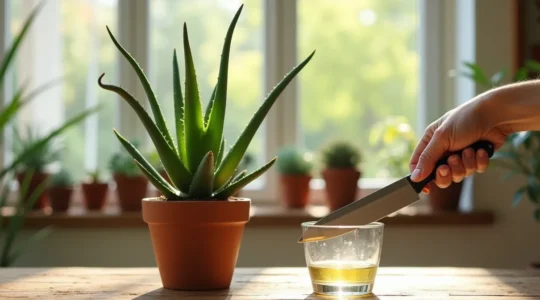
How to Harvest Aloe Vera Gel Safely Without Damaging the Mother Plant?
Many new aloe vera owners harvest a leaf only to find their plant stressed, damaged, or rotting weeks later. The…
Read more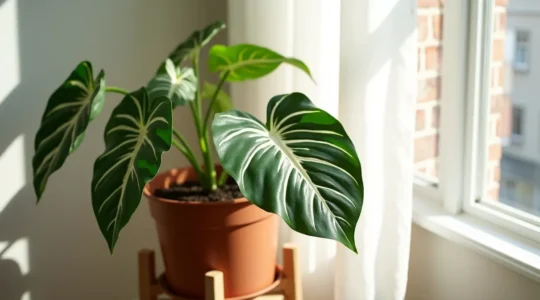
Why Is Your Alocasia Polly Going Dormant in the Middle of Summer?
Contrary to popular belief, your Alocasia Polly losing its leaves in summer isn’t a sign of death; it’s a strategic…
Read more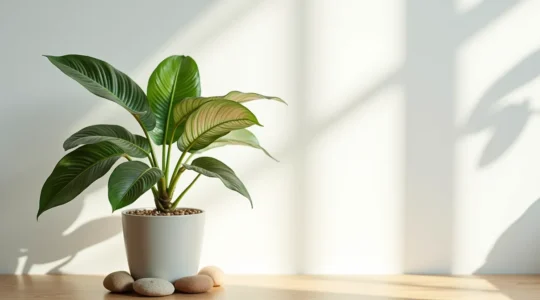
How to Keep Your Calathea Makoyana Thriving in Dry, Air-Conditioned Homes
The survival of your Calathea Makoyana in a dry home depends not on frequent misting, but on systematically neutralizing the…
Read more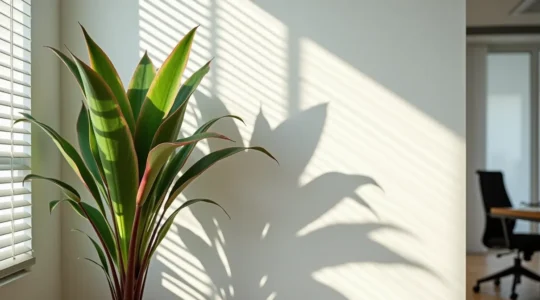
Why Dracaena Is the Best Choice for Offices With No Direct Sunlight?
The Dracaena isn’t just a plant; it’s a high-performance, low-cost botanical asset uniquely suited to the modern, light-deficient office. It…
Read more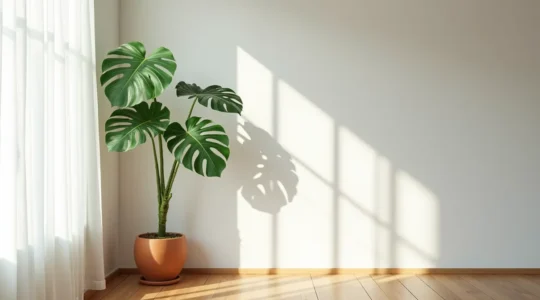
The Apartment Botanist’s Guide: How to Architect a Monstera Deliciosa in a Small Living Room
The secret to managing a giant Monstera isn’t restriction; it’s architecture. By understanding and directing its natural growth, you can…
Read more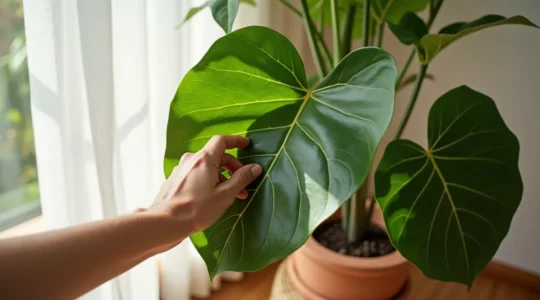
Why Is Your Ficus Lyrata Dropping Leaves Despite Regular Watering?
Your Ficus Lyrata isn’t dropping leaves because of your watering schedule, but because of a hidden environmental mismatch that makes…
Read more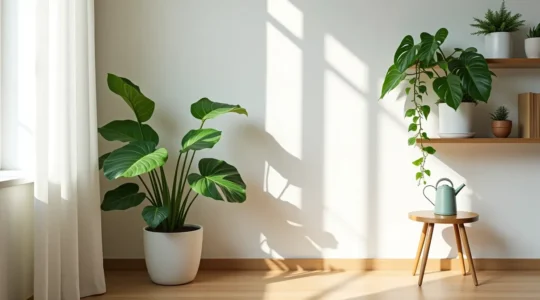
How to Maintain Indoor Greenery With Only 15 Minutes a Week?
In summary: Most plant death comes from easily avoidable mistakes, not a lack of time. Reframe plant care as a…
Read more