Plant landscaping & Design
Creating a thoughtfully designed landscape transforms outdoor spaces into living environments that nourish both the eye and the spirit. Whether you’re reimagining a small urban courtyard or planning an expansive garden, understanding the fundamental interplay between plants, hardscape elements, and spatial design unlocks possibilities that extend far beyond simple decoration. A well-conceived landscape becomes an extension of your living space, enhances property value, and evolves beautifully through the seasons.
Plant landscaping and design bridges art and science, combining aesthetic principles with horticultural knowledge and practical construction techniques. This comprehensive approach addresses everything from the psychological impact of integrating nature into daily life to the technical considerations of drainage systems and structural loads. The following exploration provides a foundation for understanding how these elements work together to create cohesive, sustainable outdoor environments.
Core Design Principles: Building Visual Harmony
Every successful landscape begins with fundamental design principles that guide the eye and create a sense of balance. Scale and proportion form the foundation—a towering specimen tree anchors a large property but overwhelms a compact patio, while delicate groundcovers provide appropriate coverage for intimate spaces but disappear in expansive settings.
Creating Effective Focal Points
Think of your landscape as a story with a clear protagonist. Strategic focal points—whether a sculptural tree, a water feature, or an architectural planter—give the eye a place to rest and establish visual hierarchy. These anchors work best when positioned at natural sightlines: the terminus of a pathway, framed by a doorway, or positioned where multiple garden rooms intersect. Proper lighting amplifies these elements after dark, extending their impact throughout the evening hours.
Balancing Visual Weight and Texture
Visual weight refers to how much attention an element commands in the overall composition. Dark foliage, dense plantings, and solid structures carry more weight than airy grasses or light-colored flowers. Distributing this weight prevents the “tipping” sensation that occurs when one area dominates. Similarly, textural variety creates sensory engagement—the rough bark of mature trees contrasts with smooth ornamental grasses, while broad-leafed hostas provide relief from fine-needled evergreens. The rule of thumb suggests incorporating at least three distinct textures in any viewshed to maintain visual interest without creating chaos.
Managing Light for Mood and Plant Health
Light serves dual purposes in landscape design. Practically, it determines which plants will thrive in specific locations—sun-loving lavender languishes in shade while ferns scorch in full exposure. Psychologically, light quality dramatically affects how we experience outdoor spaces. Dappled shade creates intimate, contemplative zones, while bright, open areas energize and invite activity. Mapping sun patterns throughout the day reveals opportunities to optimize both plant placement and functional zoning for dining, play, or relaxation.
From Vision to Reality: The Planning Process
Many homeowners feel intimidated by landscape design, imagining it requires specialized software or formal training. In reality, the process becomes manageable when broken into sequential phases that align with both budget and lifestyle needs.
Essential Planning Steps
Begin by observing your property through multiple seasons if possible, noting drainage patterns, sun exposure, wind corridors, and existing features worth preserving. Simple tools like graph paper, measuring tape, and smartphone photography provide sufficient documentation for initial planning. The “Rule of Three” offers a practical framework: repeat key plants or materials in groups of three or multiples thereof to create cohesion without monotony.
Before finalizing plans, research local zoning regulations regarding setbacks, height restrictions, and permitted structures. Many municipalities require permits for retaining walls above certain heights, permanent structures, or significant grading changes. Addressing these requirements during planning prevents costly corrections later.
Budgeting and Phased Implementation
Professional landscapers often recommend the 70-20-10 budget allocation: roughly 70% for hardscape and infrastructure, 20% for plants, and 10% for accessories and lighting. This distribution recognizes that permanent elements like patios, walls, and irrigation systems represent the highest initial investment but provide the framework that makes everything else possible. Phasing the project across multiple seasons allows you to spread costs while observing how completed sections perform before proceeding.
Hardscape: The Permanent Backbone
While plants rightfully capture attention, hardscape elements—patios, pathways, walls, and edging—provide structure that organizes space and enables year-round enjoyment. These permanent features demand careful material selection and proper installation to avoid costly failures.
Pathways and Circulation
Effective pathways do more than connect points; they guide movement, establish rhythm, and influence how visitors experience the landscape journey. Width matters significantly: primary paths require minimum 4-5 feet to accommodate two people walking comfortably side-by-side, while secondary garden paths can narrow to 2-3 feet for a more intimate experience. Surface texture affects both safety and aesthetics—smooth pavers suit formal settings but become slippery when wet, while textured materials provide traction but may challenge wheeled garden carts.
Material Selection and Longevity
Comparing patio materials involves balancing aesthetics, durability, and maintenance requirements. Natural stone offers timeless beauty and excellent longevity but commands premium pricing. Concrete pavers provide versatility and moderate costs with good durability. Permeable materials like gravel or permeable pavers address drainage concerns while reducing runoff—an increasingly important consideration in many regions. Regardless of material choice, proper base preparation and edge restraint prevent the settling and shifting that compromise appearance and create safety hazards.
Managing Drainage and Structural Threats
Water represents the primary threat to hardscape longevity. Poor drainage causes frost heave in cold climates, undermines paver bases, and directs water toward foundations. Diagnosing drainage issues early—standing water, erosion patterns, settlement—allows intervention before minor problems escalate. Similarly, strategic placement prevents root intrusion from maturing trees, which can lift pavers and crack retaining walls decades after installation.
Strategic Plant Selection and Placement
Plants breathe life into the structural framework, providing color, fragrance, seasonal change, and wildlife habitat. Successful selection balances aesthetic goals with practical realities of maintenance commitment and site conditions.
Understanding Maintenance Investment
The low-maintenance versus high-impact decision fundamentally shapes your landscape experience. Low-maintenance approaches emphasize native plants adapted to local conditions, simple planting schemes, and durable groundcovers that suppress weeds. High-maintenance beauty—think formal hedges, pristine lawn edges, and exotic specimens—demands regular attention but delivers undeniable visual impact. Most successful landscapes blend both approaches, investing maintenance effort where impact is highest (prominent entryways, visible from indoor living spaces) while keeping utilitarian areas simple.
Specialized Applications
Certain design situations call for specialized plant knowledge. Vertical gardens maximize limited space in urban settings while improving air quality, but require careful attention to structural load calculations, irrigation management, and species selection—not all plants adapt well to vertical orientation. Similarly, succulent styling and terrarium design demand understanding of drainage requirements and the dangers of enclosed systems where excess moisture causes rapid decline.
Optimizing Privacy and Property Value
Living screens provide natural privacy while softening the harsh lines of fencing. Evergreen selections maintain year-round coverage, while faster-growing deciduous options fill in quickly but leave winter gaps. The privacy-versus-foundation-damage balance requires respecting mature sizes and root systems—vigorous trees planted too close create expensive problems as they mature. Strategic plant placement demonstrably boosts property value through enhanced curb appeal, with well-designed entryways and cohesive street-facing landscapes yielding measurable returns on investment.
Designing for Seasonal Interest and Year-Round Beauty
A truly successful landscape provides visual interest throughout the year, not just during peak growing season. This requires intentional planning for seasonal transitions and structural elements that shine when herbaceous plants retreat.
Winter Structure and Color
Fighting winter grey demands plants selected for architectural form and off-season color. Colorful bark varieties—think red-twig dogwood, paperbark maple, or white-barked birch—become sculptural features against snow or dormant lawns. Evergreens provide consistent structure and mass, preventing the landscape from appearing empty. Preserved seed heads on ornamental grasses and perennials like coneflowers add texture and provide wildlife value through cold months.
Sequencing Bloom Times
Strategic sequencing ensures continuous color from early bloomers that signal spring’s arrival through autumn’s final flourishes. Early bulbs emerge when little else stirs, spring-flowering trees and shrubs provide mid-season impact, summer perennials carry the longest season, and thoughtfully chosen autumn foliage creates a finale before dormancy. This succession requires noting bloom times during selection and distributing seasonal interest throughout the property rather than concentrating it in single locations.
Maintenance Strategies for Lasting Beauty
Even low-maintenance landscapes require regular attention to preserve their design integrity and protect infrastructure investments. Understanding what maintenance different styles demand helps set realistic expectations.
Formal Versus Informal Approaches
Mastering formal garden maintenance—crisp hedge lines, perfectly edged lawns, raked gravel paths—requires regular investment of time and skill. Topiary care follows specific sequences, formal hedges demand precise trimming techniques to maintain density, and manicured perfection shows every flaw. Informal or naturalistic styles forgive irregularity and embrace a looser aesthetic, reducing labor while creating different visual appeal. Neither approach is superior; the choice depends on personal preference and available resources.
Protecting Your Investment
Proactive maintenance prevents small issues from becoming expensive failures. Regular inspection catches problems early: paver settlement before it creates tripping hazards, deck connection deterioration before structural failure, or irrigation leaks before water damage occurs. Supporting heavy limbs prevents storm damage to both trees and underlying hardscape. Monitoring root growth near infrastructure allows intervention before roots compromise foundations, utilities, or paving.
The journey from initial concept to mature, thriving landscape unfolds over years, with each season revealing new dimensions of your design choices. Whether you’re drawn to minimalist contemporary styling, cottage garden abundance, or naturalistic native plantings, understanding these fundamental principles provides the foundation for creating outdoor spaces that enhance daily life, welcome visitors, and evolve beautifully through time. The most successful landscapes reflect their owners’ values and lifestyle while working in harmony with local climate and site conditions—a balance that transforms simple yards into cherished outdoor living environments.
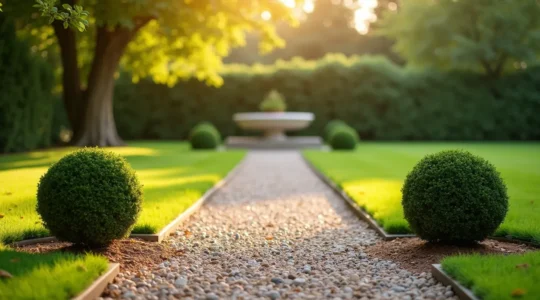
The Groundskeeper’s Guide: How to Maintain a Curated Garden Without Professional Help
In summary: Achieving a professional finish is not about more effort, but about disciplined technique and timing. The health of…
Read more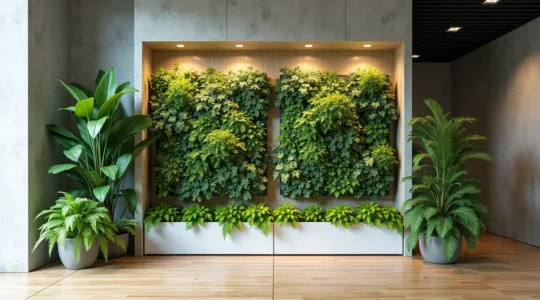
Hydroponic vs. Soil-Based Living Walls: Which System Is Easier to Maintain?
The “easier” living wall is not determined by using soil or hydroponics, but by how well the system is engineered…
Read more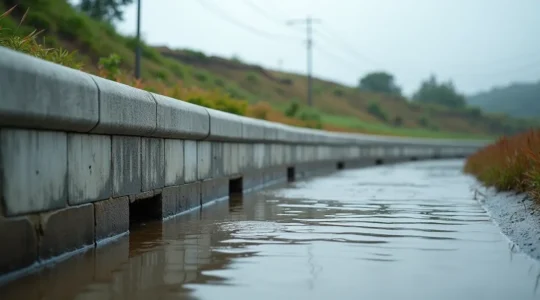
How to Forensically Inspect Your Retaining Wall’s Integrity After Heavy Rain
A retaining wall’s visible distress is often just a symptom of a systemic failure in your landscape’s water management, not…
Read more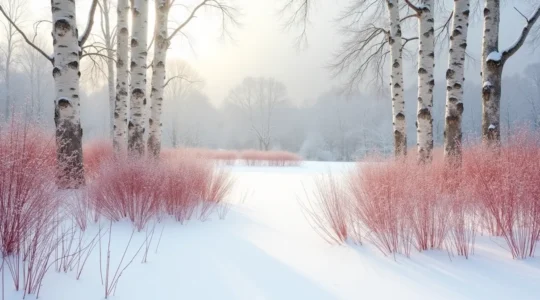
How to Design a Garden for Year-Round Interest When It’s All Covered in Snow?
The secret to beating the winter blues isn’t fighting the snow, but designing a garden whose beauty is *revealed* by…
Read more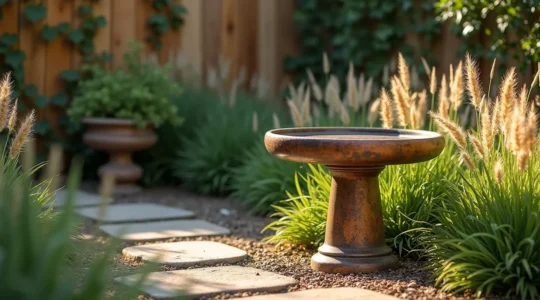
How to Choose Focal Points That Don’t Clutter a Small Garden?
The secret to a dramatic small garden isn’t adding more objects; it’s making a single, powerful compositional decision. A focal…
Read more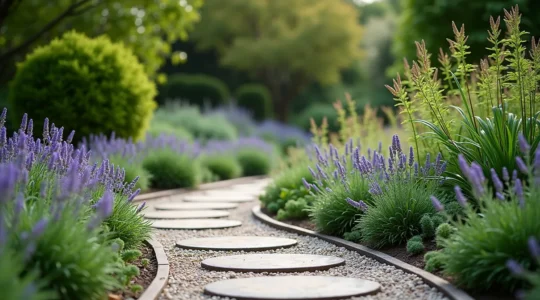
Curved vs. Straight: How Garden Paths Manipulate Space and Movement
The debate between curved and straight paths misses the point; the best walkways manipulate the experience of space, not just…
Read more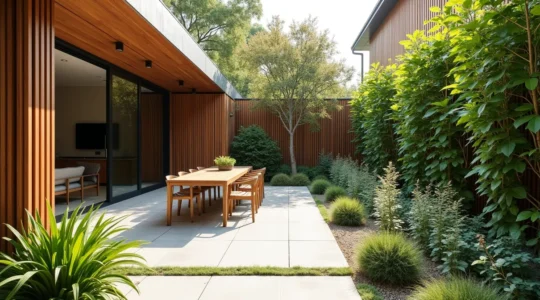
How to Plan Spatial Layouts to Hide Utility Bins and AC Units?
The frustration with unsightly utility bins and AC units isn’t an aesthetic problem—it’s a spatial planning failure. Instead of just…
Read more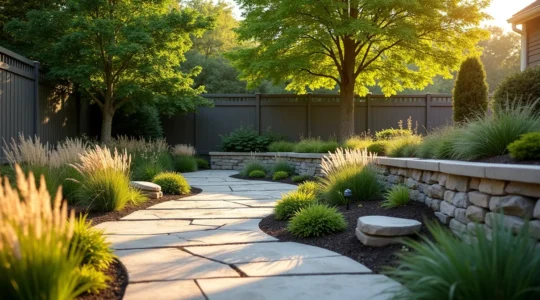
Hardscape vs Softscape: How to Balance Stone and Greenery in Small Yards?
The key to a successful small yard isn’t a visual ratio of plants to pavers, but the structural integrity of…
Read more
How to Create a Professional Landscape Design Plan on a DIY Budget?
In summary: Creating a professional-looking landscape on a budget is less about spending money and more about making strategic, informed…
Read more
Styling Drought-Tolerant Succulents: A Minimalist’s Guide to Architectural Form
True minimalist succulent styling isn’t about the pot—it’s about controlling the plant’s form to create a living sculpture. Light exposure…
Read more